USA
USA
 Canada
 Japan
Japan
 Malaysia
 Singapore
 Taiwan

 Canada

9 Best Physical Activities for Babies

Key Takeaways
- Regular physical activities for babies build the strength, motor skills, and coordination needed to hit milestones like sitting, crawling, and walking.
- Baby development activities should be tailored to your child's age, from simple tummy time in the newborn stage to active games and climbing for toddlers.
- Limiting time in bouncers, swings, and car seats gives babies the free movement they need to develop safely and confidently.
You can already imagine your little one taking off on their scooter down your neighborhood street, playing tag with friends in the backyard, and even running cross-country on their high school track. You know that fun activities and sports will likely dominate their childhood, and you can't wait to have a front-row seat to the magic they'll make.
The best part? You can give your baby the head start they need to excel physically today.
Baby exercises are an excellent way to enhance their growth and development. Promoting physical activity during your child's baby years will encourage your little one to lead an active, fulfilling lifestyle long-term.
Why Physical Activity Matters for Baby Development
Movement isn't just play. It's how babies learn about their bodies and the world around them. Regular physical activities for babies support a wide range of developmental benefits, including:
- Muscle strength and coordination — Essential for reaching key milestones like rolling, sitting, crawling, and walking.
- Fine and gross motor skill development — Physical development activities for babies train both large movements (gross motor) and precise hand and finger control (fine motor).
- Brain development — Movement connects sensory input to brain activity, helping babies develop early problem-solving skills and spatial awareness.
- Healthy weight and heart health — Establishing active habits early reduces the risk of obesity and related health issues later in life.
- Confidence and curiosity — Babies who are given space to move freely tend to explore more boldly and develop greater independence.
According to NHS guidelines, babies should be encouraged to be active throughout the day in a variety of ways, including at least 30 minutes of tummy time spread across the day. Once mobile, they should be as active as possible in a safe, supervised environment. Toddlers aged 1–3 should aim for at least 180 minutes of physical activity for infants and toddlers daily, spread throughout the day.
Baby Exercise For Zero to Six Months
Exercise helps children 0-6 months of age build their muscular strength, which they need to raise their heads, sit, crawl, and ultimately walk. Baby physical activities can also help them develop their fine and gross motor skills, which they need to roll over, pick up tiny objects, and grasp eating utensils. Although there aren’t any specific physical activity guidelines for children 0-6 months, a couple of exercises can help them safely get the activity they need while enjoying it.
1. Tummy Time
This popular baby exercise is an excellent way to keep your little one active when not asleep. Place your child on their stomach for at least half an hour when they’re 3-4 weeks old, and encourage them to look up at you and other objects in your environment. This will prepare their muscles for sitting and crawling. Avoid leaving your child unsupervised during tummy time.
2. Finger Gripping
Encouraging your child to grip your pointer finger is another effective baby exercise option. Your child’s grasp reflex develops when they’re in the mother’s womb. This primitive reflex disappears when a child reaches 6 months old due to the development of their motor reflexes and the brain’s cortex (gray matter). Gripping your finger will help your child exercise their grasp reflex, which will help them hone their fine motor skills.
3. Lifting Weights
Another baby exercise that will benefit your child at 0-6 months is weight lifting — no dumbbells needed. After your child has learned how to grasp objects like toys, motivate them to lift them. This is an especially effective exercise for children 3-4 months of age.
Allow them to lift their favorite toys while sitting on the floor or in a high chair like the Beyond Junior® Y High Chair by Abiie®. This high chair offers the benefit of encouraging your child to sit with the correct posture thanks to its sturdy back and ergonomic design. You’ll also love the seat’s EZ-Seat design, which allows for the quick adjustment of the seat in less than 20 seconds. This unique design enables the seat to grow with your child, meaning the chair can be used from infancy to adulthood.
Six to 12 Months
Once your child has reached 6-12 months, they should ideally get 30 minutes or more of structured physical activity (doing adult-led baby physical activities) daily. You should also give them an hour of unstructured physical activity (free play) each day. Let’s examine a few baby exercise options to help them achieve these activity levels.
4. Baby Crunches
Baby crunches are much like adult crunches except you help your little one through the process. Your baby should lie down facing up. Grab your child’s arms, and pull your little one up gently until they are sitting. Keep your child’s back upright. Then, lay your child down again gently. Repeat this movement several times daily. Avoid pulling your child when their arms are completely extended, and don’t pull their arms against their will.
5. Wheelbarrow Exercise
This is an enjoyable fun baby exercise for kids 6-12 months old. Place your baby on their stomach, and lift their body’s lower half slowly while putting one of your hands on your child’s back. The goal is to encourage your child to use their hands and arms to balance the upper body. Be gentle during this “workout,” and make sure your child is on a rug or other soft surface.

6. Climbing Mountains
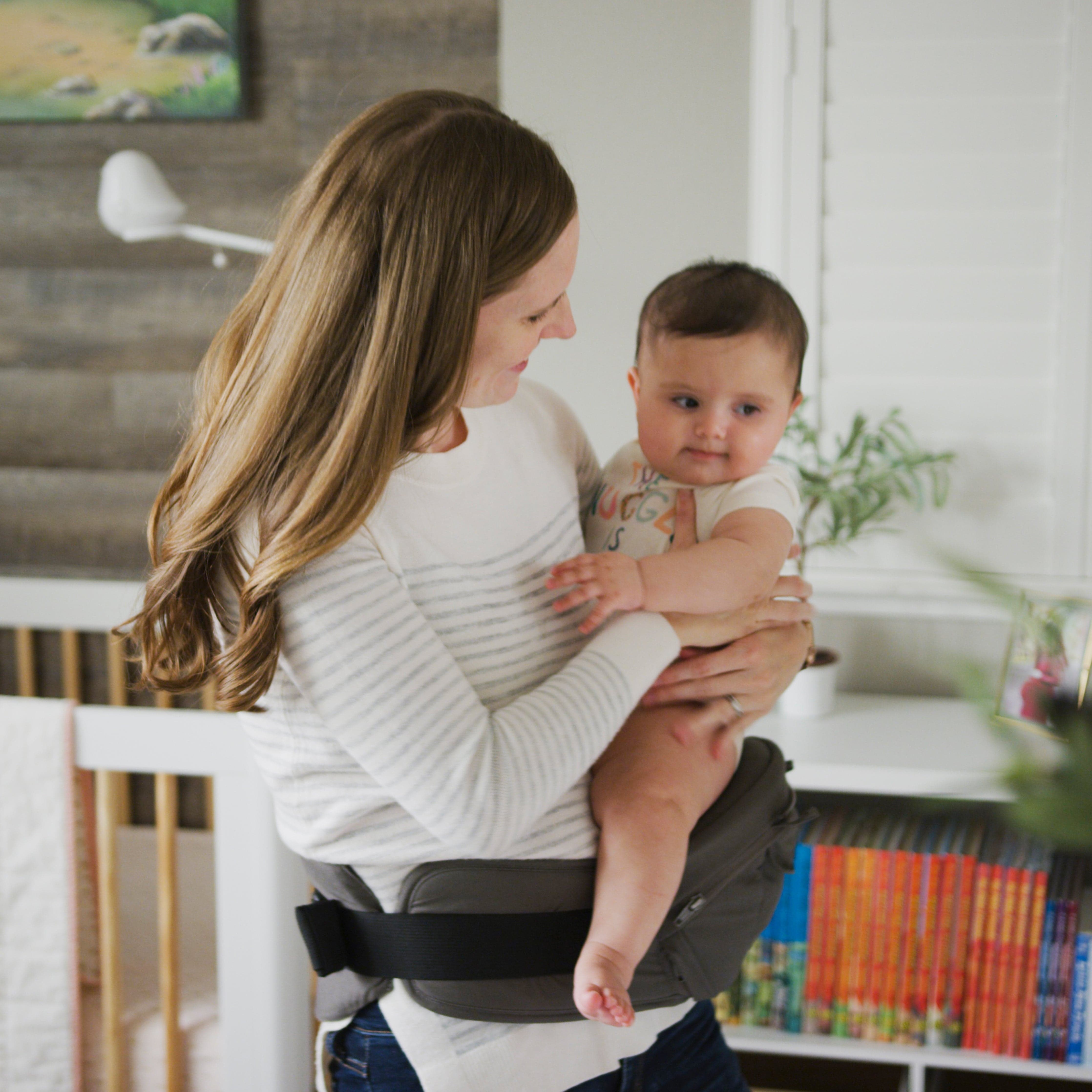
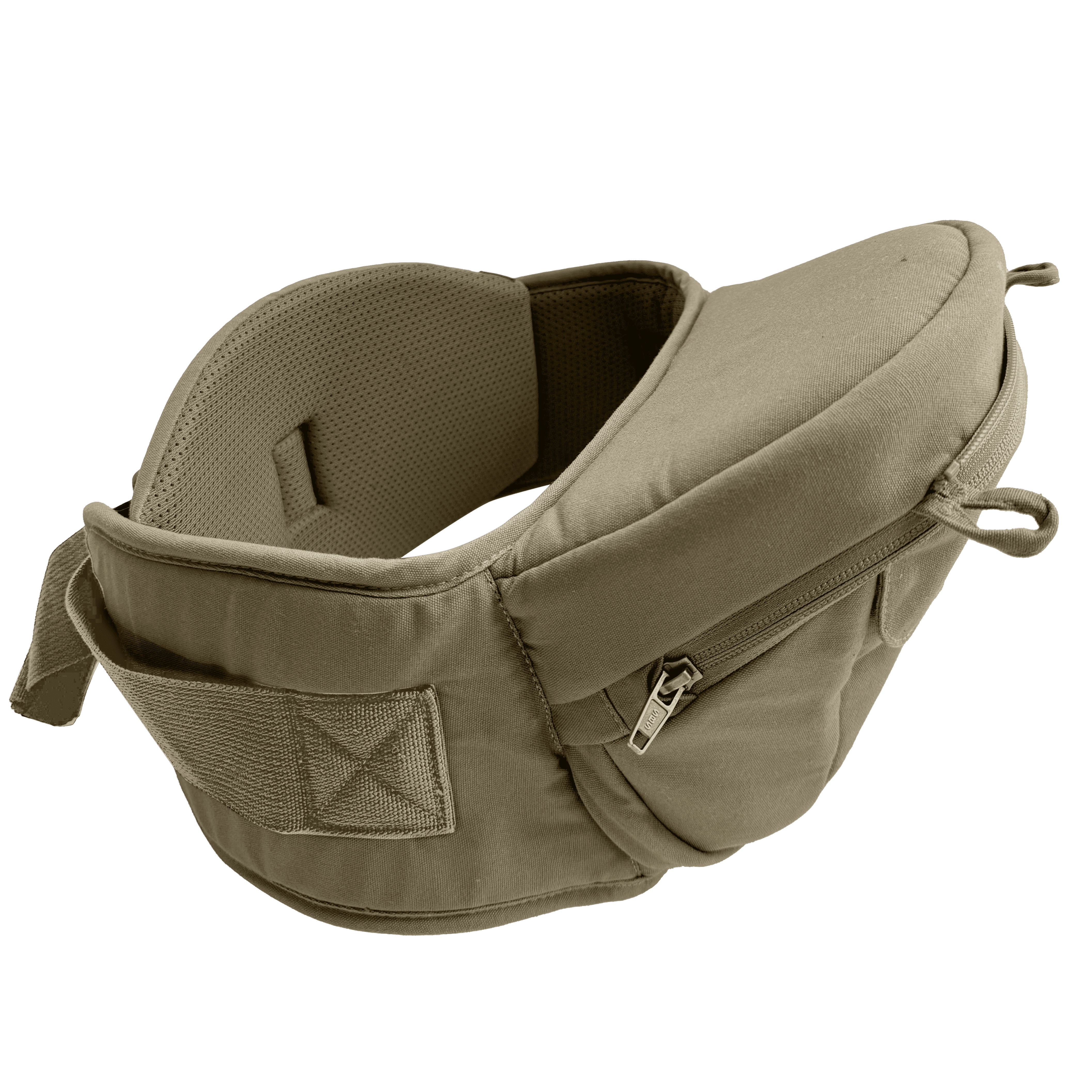
Has your little one started crawling? Give them a “mountain” to climb to build their muscles even more. Arrange several pillows so that they form a small mountain on your floor. Then, encourage your child to climb over it. It’s an easy baby exercise for parents seeking to strengthen their leg and hand joints. Another excellent way to build your child’s joints is with Abiie’s ergonomic Huggs® Baby Carrier, whose patented HIPBELT hip seat design can help prevent hip dysplasia in your little one.

One Year to Three Years
Children in this age range should ideally spend 180 minutes daily on various baby development activities. These include outdoor play. At least an hour of this time should be spent doing vigorous or moderately intense baby exercises. Let's look at a few exciting ways to help your child meet their daily activity quota.
7. Animal Imitation
Ask your child to imitate some of their favorite animals. This is one of the best baby physical activities, as it is an effortless way to get your toddler moving. Your child may walk on their knees and hands or even roll around to mimic a dog. Encourage them to use their whole body as part of this exercise. Greater activity levels lead to greater exercise.
8. Playing Follow-the-Leader
Exciting baby physical activities also include the game follow-the-leader, where they must pay attention to your moves and copy them. Pick simple actions to engage your child's gross motor skills, like crawling, stomping, jumping, and touching their feet.
9. Hitting Balloons
Blow up some balloons, and tell your little one to keep them off the floor by hitting them before they can touch the ground. This baby exercise will encourage them to run as they chase the balloons, which is an excellent aerobic activity.
Safety Tips to Keep in Mind
As you incorporate more physical development activities for babies into your daily routine, a few simple precautions will keep things safe and effective:
- Always supervise floor play and tummy time — Never leave your baby unattended during exercises, especially in the early months.
- Limit time in restrictive equipment — Bouncers, swings, car seats, and strollers restrict free movement. Babies shouldn't be strapped in or inactive for more than an hour at a time while awake. Extended time in these devices can delay motor skill development.
- Avoid baby walkers and jolly jumpers — Despite their popularity, they can delay crawling, sitting, and independent walking and pose injury risks.
- Make your space safe — As babies become more mobile, clear the floor of small objects and sharp edges so they can explore freely and confidently.
- Follow your baby's lead — Every child develops at their own pace. If an activity causes distress, take a break and try again later.
Keep Your Baby Healthy With Help From Abiie®
Building a foundation of movement and physical activity for babies starts with the everyday moments — and the right gear makes all the difference. At Abiie®, we design products that support your baby's growth at every stage, from their very first tummy time to their first bold steps toward independence.
Our ergonomic Huggs® Baby Carrier keeps your little one close while supporting healthy hip development on the go. The Beyond Junior® High Chair grows with your child and encourages proper posture from their earliest days at the table. And our silicone bibs and baby dishware make fuelling up between baby development activities easy and mess-free.
Upgrade today and give your growing baby the tools they need to thrive.
About The Author