USA
USA
 Canada
 Japan
Japan
 Malaysia
 Singapore
 Taiwan

 Canada

When and How to Start Tummy Time

Key Takeaways
- Knowing when to start tummy time means you can help support your baby to build the muscles they need to sit and crawl.
- Tummy time can start from birth.
- Start tummy time with your baby on your chest for 3-5 minutes, several times each day.
- Get on the floor with your child or use colourful toys to keep them engaged.
While some social media posts claim tummy time is unnecessary, pediatric experts continue to recommend it.
The NHS recommends tummy time as a way to build the muscles your baby needs for crawling and sitting. Organisations like the World Health Organization (WHO) also support this stance, advising that infants not yet mobile should get physical activity through floor-based play (tummy time) daily.
Ready to get your baby moving? Learn more about when to start tummy time and how to do it with Abiie®.
When Do You Start Tummy Time?

You can start tummy time from birth by placing your baby on your chest while you're awake and alert. It provides comfort, security, and encourages them to lift their head to look at your face and react to your voice.
How to Do Tummy Time With Your Newborn
Place your baby stomach-down on your chest or lap for a few minutes at a time, two to three times each day. They can practise lifting their head and strengthening their neck and shoulder muscles. You can increase the time as they get stronger.
Reminder: Make sure you and your baby are awake and alert to ensure safety.
When to Start Tummy Time on the Floor
You can start tummy time on the floor as early as 1 to 2 weeks of age. However, it’s best to build your baby’s strength on your chest or across your lap first. Once you’re comfortable and your baby is ready, you can move to the floor.
How to Do Tummy Time on the Floor
Place a blanket on a clear area on your floor. Then, place your baby on their stomach on the blanket. Your baby may get fussy or frustrated in this position, especially as they build their strength. Aim for just 3 to 5 minutes, several times a day.
When to Start Floor-Based Tummy Time: Try waiting about 20 to 30 minutes after feeding to prevent spitting up. They should be awake and alert to minimise any fussiness.
Tummy Time Tips

Baby development activities are crucial not only for milestone progression but for building gross motor skills and your baby’s sensory and visual awareness. Get started with these tips from Abiie®.
1. Start Tummy Time on Your Chest
When and how do you start tummy time? It’s best to start tummy time as a newborn, on your chest. Your baby will naturally lift their head to look at your face.
You can also gently put your baby in the American football hold, tummy-down along your forearm whilst walking or swaying.
2. Go Slowly
Yes, you know when to start tummy time. But many babies still need time to get used to being on their tummies. Start with three to five minutes, two to three times each day and work your way up to 15 to 30 minutes every day.
3. Prop Them Up
Is your baby struggling to keep their head up? That’s normal! You can use a rolled-up towel or blanket under their chest to make lifting their head easier.
4. Get Down on the Floor
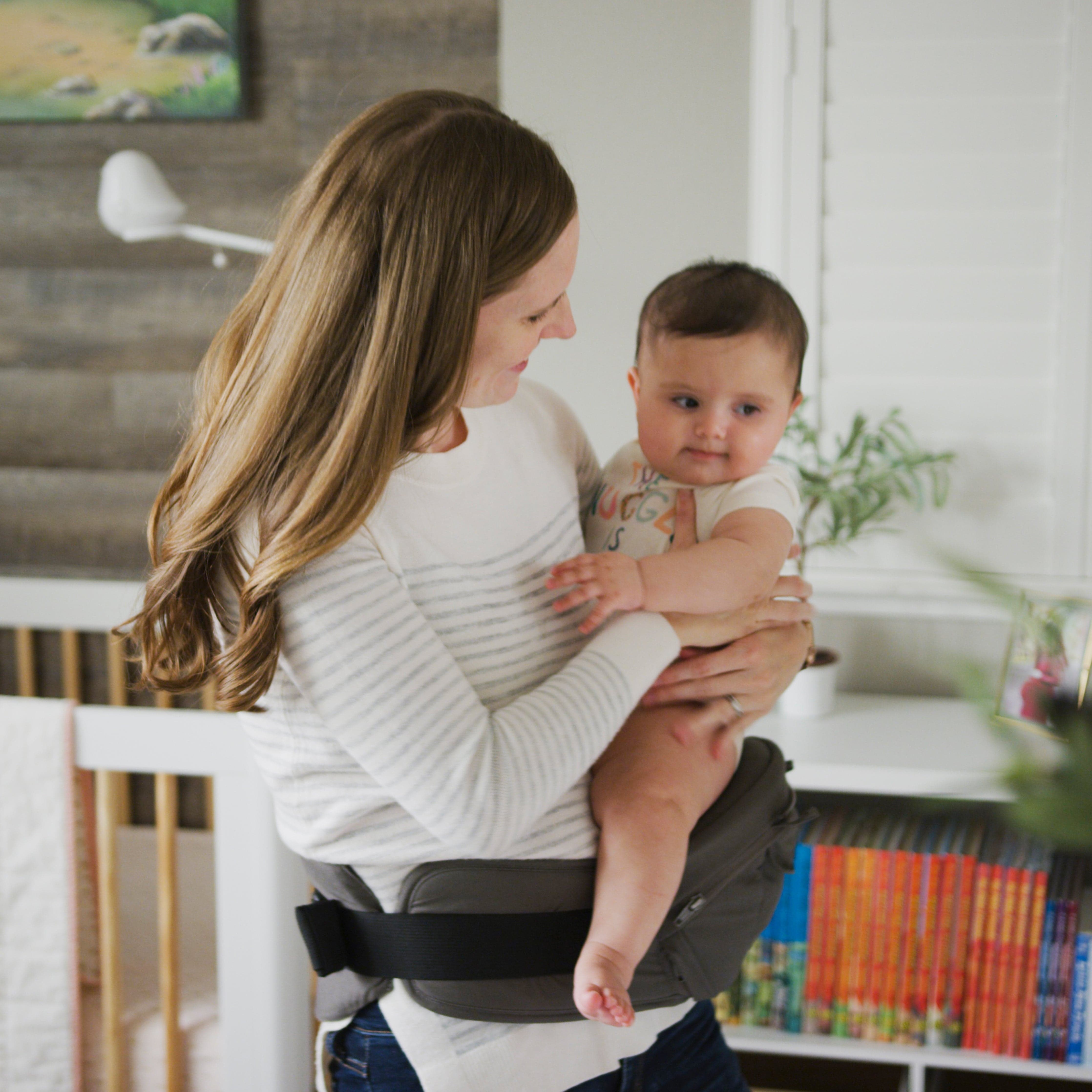
Your little one enjoys being close to you, whether they’re in their baby hip carrier or doing tummy time. Give your baby an incentive to lift their head by getting down on the floor at eye level. You can sing a song, make silly faces, or even chat with them so they feel encouraged.
5. Engage the Senses With Colourful Toys
Knowing how to do tummy time is just as important as knowing when to start, as some babies may not be as keen to engage. Try placing colourful toys or familiar items nearby, such as their teddy. It’ll keep them engaged and entertained, as they should be during any physical activities for babies.
When Do You Start Tummy Time? Try It From the Start.
When you choose to start tummy time is ultimately up to you. Experts generally recommend giving it a go during the newborn or early infancy stage to support development.
It’s normal if they’re fussy. It’s normal if they don’t like it much. Just try doing it every day for a short amount of time until it’s as routine as sitting in their wooden high chair for meals or having bathtime.
About The Author